


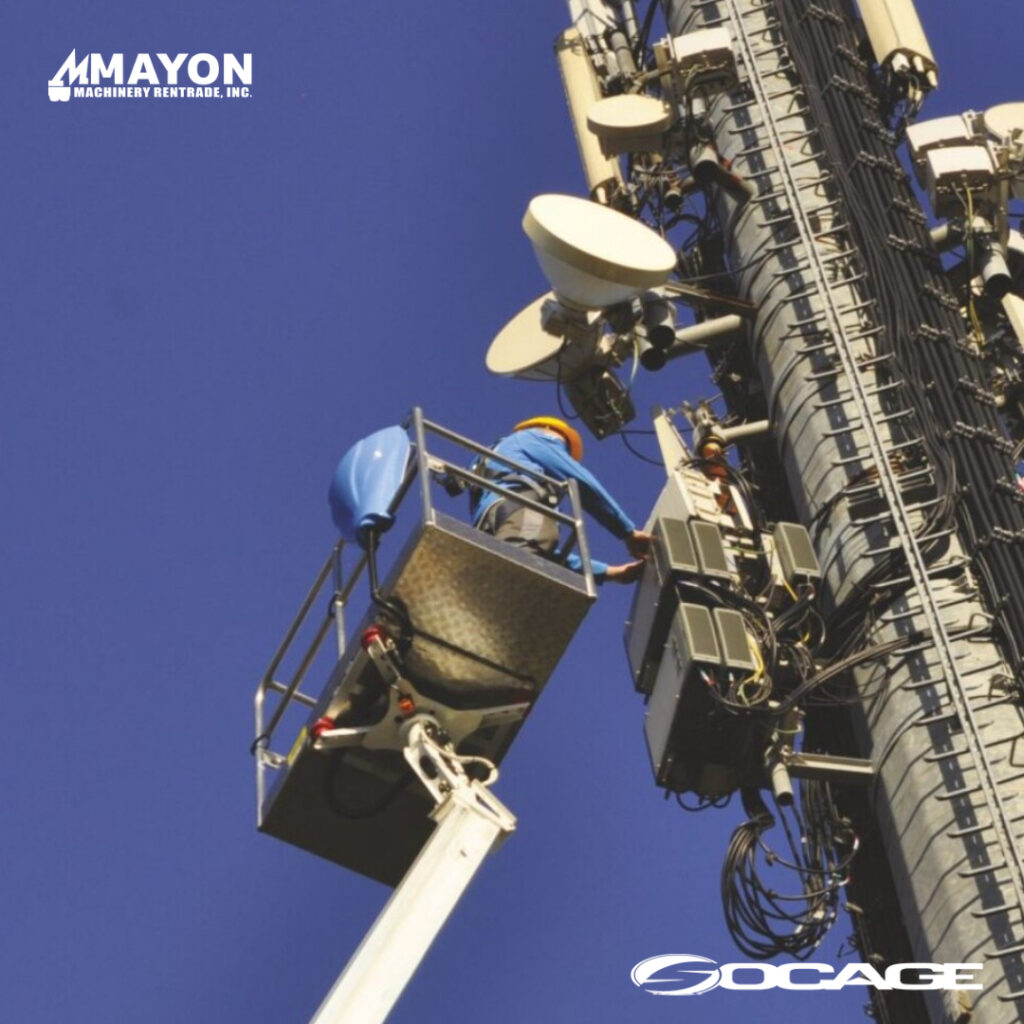
As the necessity for connectivity continues to increase around the world as well as in the Philippines, the carrier that can provide the closest to 100% operation and the shortest downtime, will become the preferred network for many consumers. For that reason, the telecommunications providers likely Liberalization, Globe Telecom, and Smart Communications need to keep their network fully maintained and operational for as close to 100% of the time as possible.
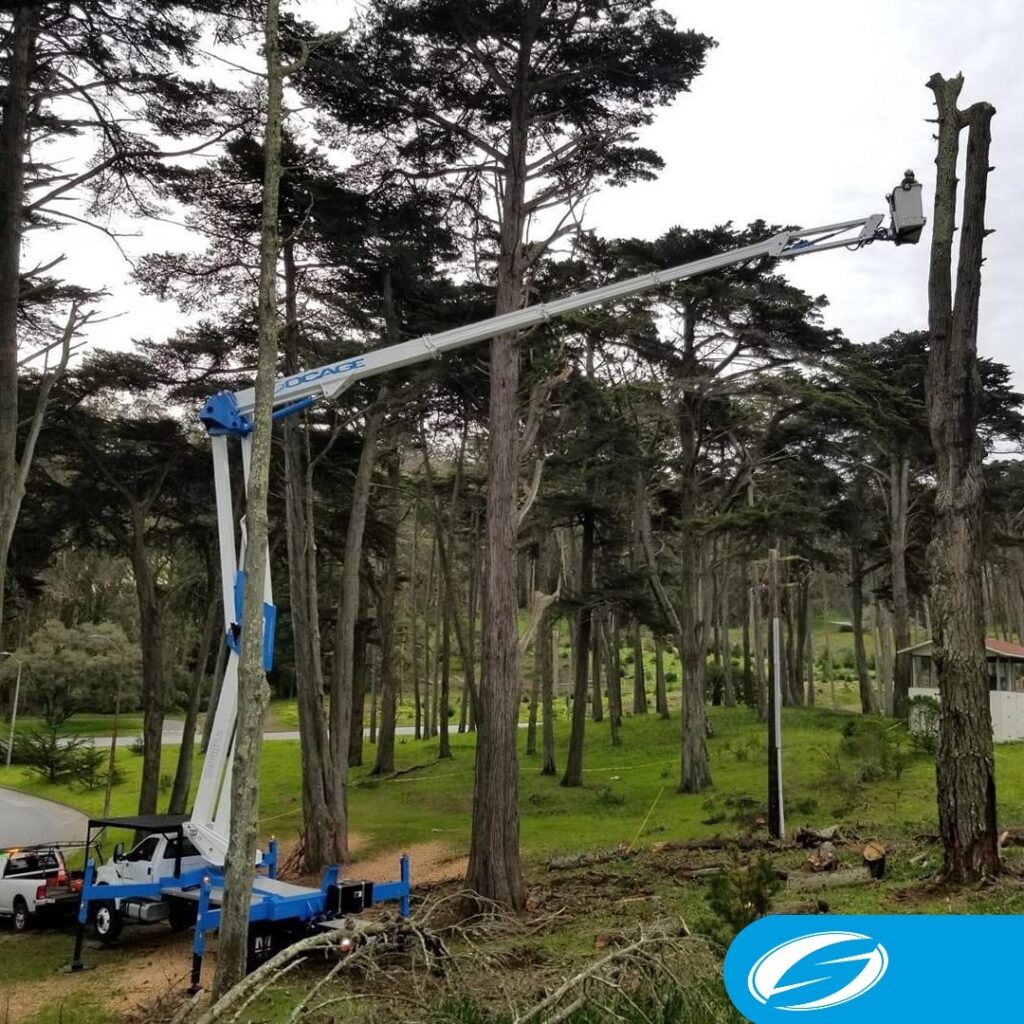
To support the Philippines’ telecom sector, truck-mounted aerial work platforms are used to maintain and install overhead telecommunication networks and the most common brand is Italy-based Socage.
Smarter design makes this truck-mounted platform more highly innovative than other manufacturers. A unique SPEED automatic stabilization system as standard operates even on slopes with a single button, even from the basket. It allows you to obtain a stabilization OK to work in a safe, simple, and fast way.
Socage offers different types of aerial platforms such as articulated type with or without outrigger, double articulated type with or without jib, telescopic type, and telescopic with jib type on different vehicles, in order to fulfill the needs of clients.
The machine can reach a working height of 14m up to 100m, and a horizontal reach max of 43m with 350kg, with a maximum loading capacity of 600kg (6 operators + tools) depending on models.
The most popular model for the telecommunication sector we see is 15m (ForSte 15T SPEED) – 20m (ForSte 20TJ SPEED) – 75m (ForSte 75TJJ) in common telecommunication towers nationwide.
Among its features, the machine has an excellent lateral reach that together with the JIB makes it easier to overcome obstacles at height, and at the same time, it provides versatility and productivity use when working at height.
The basket front support is very common in self-propelled but not used in truck platforms. It allows not having the boom under the basket for more precise position in tight job access without danger of collision. In addition, it increases safety in the possible exits of the operator at height to hook on the mandatory lifeline.
The combination of quality, reliability, productivity, and simplicity of use together with the other features make Socage’s truck-mounted platforms an ideal platform for maintenance and installation work of telecom networks.
With varying positives in each model, you need to carefully assess their options before making an informed decision on what is the best machine for your job. Consult Mayon Machinery – Socage’s Official Dealer in the Philippines to have the best pricing and world-class aftersales services.
For more details, please contact:
MAYON MACHINERY RENTRADE, INC – SALES & RENTAL
Tel: +63 (2) 776 0254
Email: info@mayonmachinery.com/ sales@mayonmachinery.com
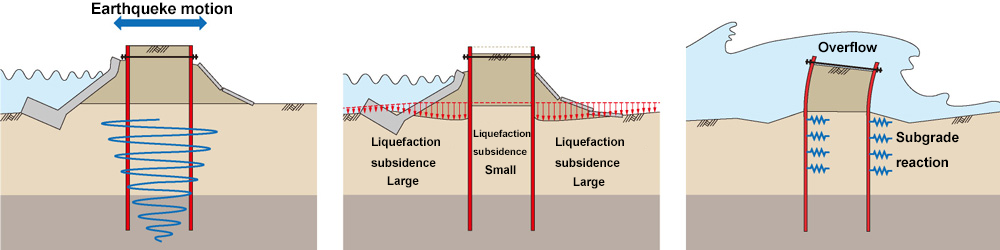
The Philippines is an island country consisting of some 7,400+ islands and islets and has a coastline of approximately around 37,000 km. However, flood risks due to natural coastal hazards (surges, typhoon waves, and tsunamis) threaten the loss of life and damage to the properties of its residents. To minimize devastating consequences, a disaster prevention levee is an important coastal protection solution by Giken’s Innovative Technologies. Implant Levee that is securely integrated with the Earth is highly resistant to ground displacement caused by the motion dynamic loss of external force, such as earthquakes and tsunamis, thus serving as a ”resilient” disaster-prevention infrastructure.
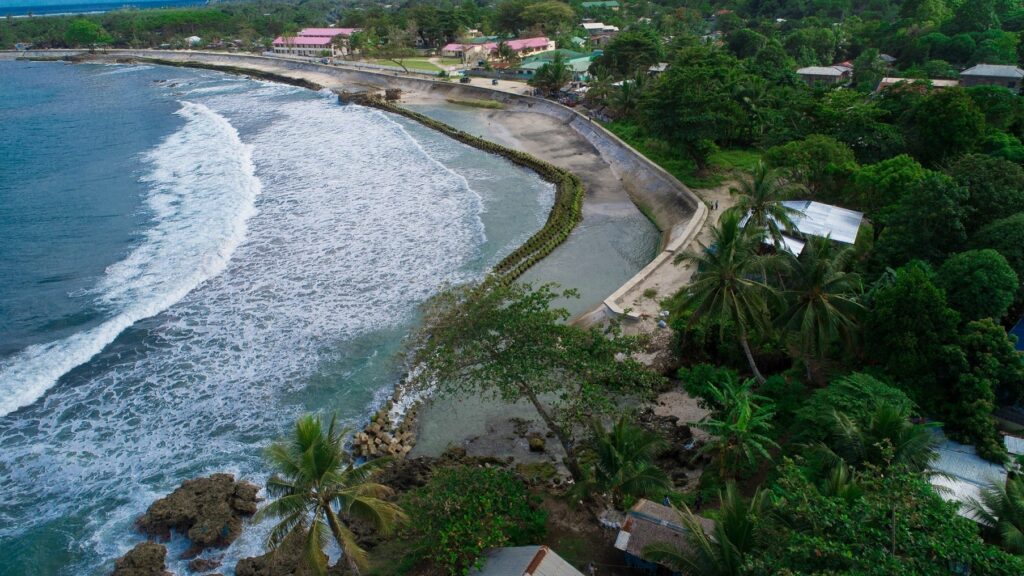
An implant levee is solid and strong against complex disasters such as earthquakes, tsunamis, and land subsidence. For earthquake protection, an implant-structured pile continuous wall has a secure embedded depth that will not allow any large deformation. Also, as the side floating of liquefied soil is restrained, settlement of the levee body is restrained. Furthermore, by embedding the pile toe to the non-liquefied layer, subsidence of the pile itself will not occur, and the levee height may be maintained. With tsunami, even if the slope face collapses due to overflow, the pile continuous wall with the implant structure will keep its form, and thus maintain its levee function. After an earthquake, tsunami, or other disasters, an implant levee may be used as an emergency transit route or drainage work base for fire engines by erecting a coverage plate using the remaining pile heads. This way, it becomes useful in the early restoration of disaster sites.
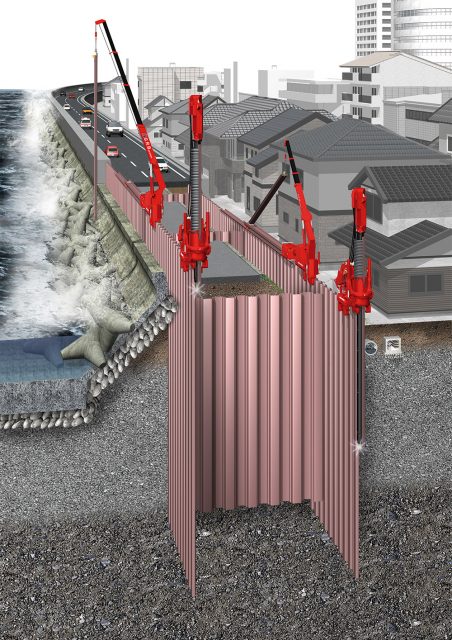
Two methods presented here are commonly applied in coastal levee protection in many countries, including Japan:
 |
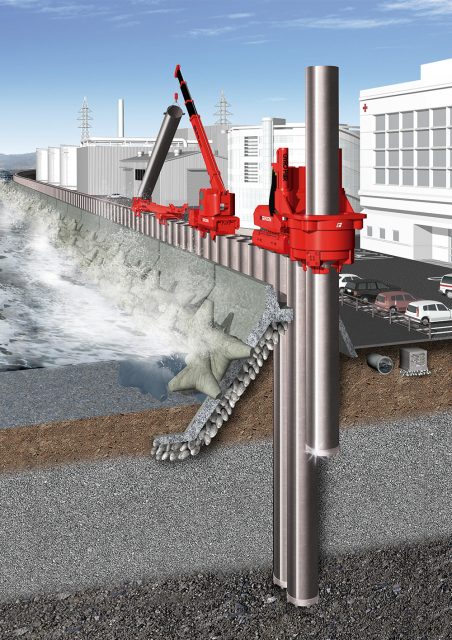 |
| Twin Sheet Pile Walls | Tubular Pile Wall |
| Steel sheet piles are installed into the embankment to a depth determined for proper stability and/or cut-off of flow. Also, liquefaction of the levee can be prevented by enclosing it with twin sheet pile walls. Thus, the levee can withstand large external loading, and the levee crest can remain in place, even in catastrophic events. |
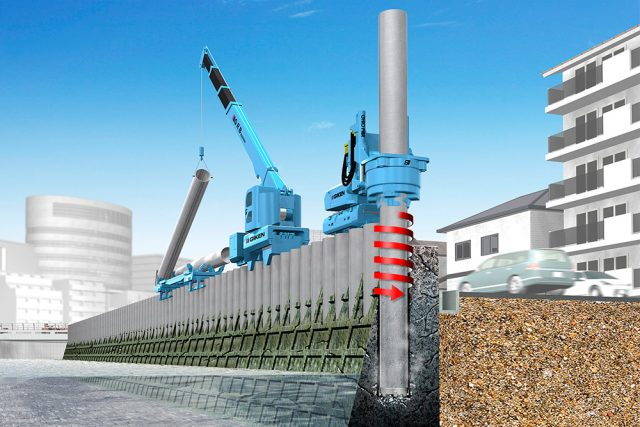
Steel tubular pile wall is a vertical barrier and can be installed in locations where space is scarce, such as urban environments or where the construction of a wide levee is not feasible. The piles are installed into the embankment to a depth determined for proper stability to withstand large dynamic and hydraulic loading. |
|
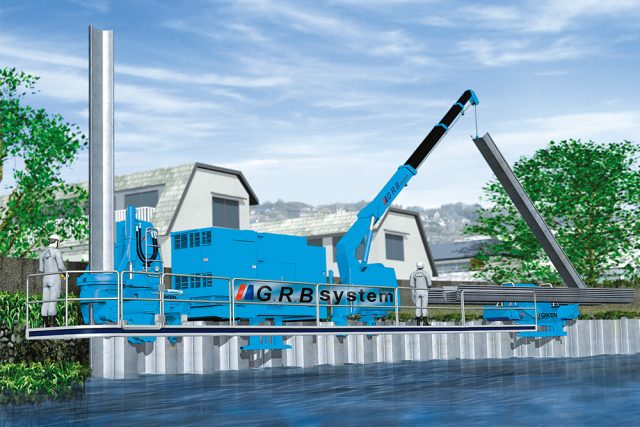
Giken Reaction Base (GRB) System |
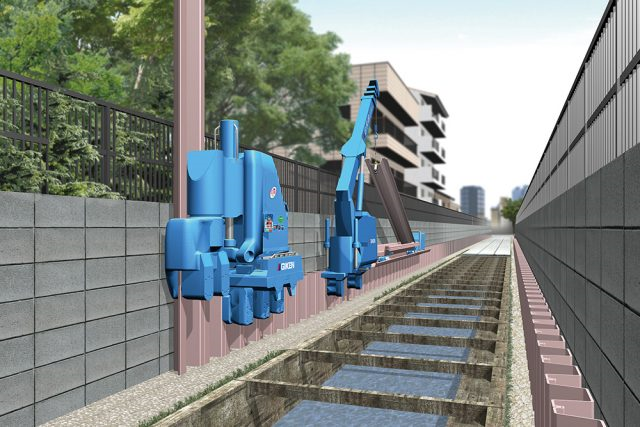
Gyropress Method |
|
The press-in machine utilizes reaction force from previously installed piles and performs piling work on top of the piles. With further development based on the principle of “reaction-based mechanism”, “the GRB System” was developed as a press-in system that performs all piling procedures, such as pile transportation, pile pitching, and press-in work, on top of installed piles. The GRB System consists of a Silent Piler in the front, a Power Unit as a power source, a Clamp Crane to pitch piles, and a Pile Runner to convey piles from the storage site. |
Gyropress Method installs tubular piles with cutting bits attached on pile toe by the rotary jack-in system and travels on top of piles that are completely installed (completed piles). Gyropress Method allows the installation of tubular piles without prior removal of existing structures and/or obstacles. |
Functions of the levee can be maintained by increasing its stability.
Functions of the levee can be maintained by the ground enclosure effect.
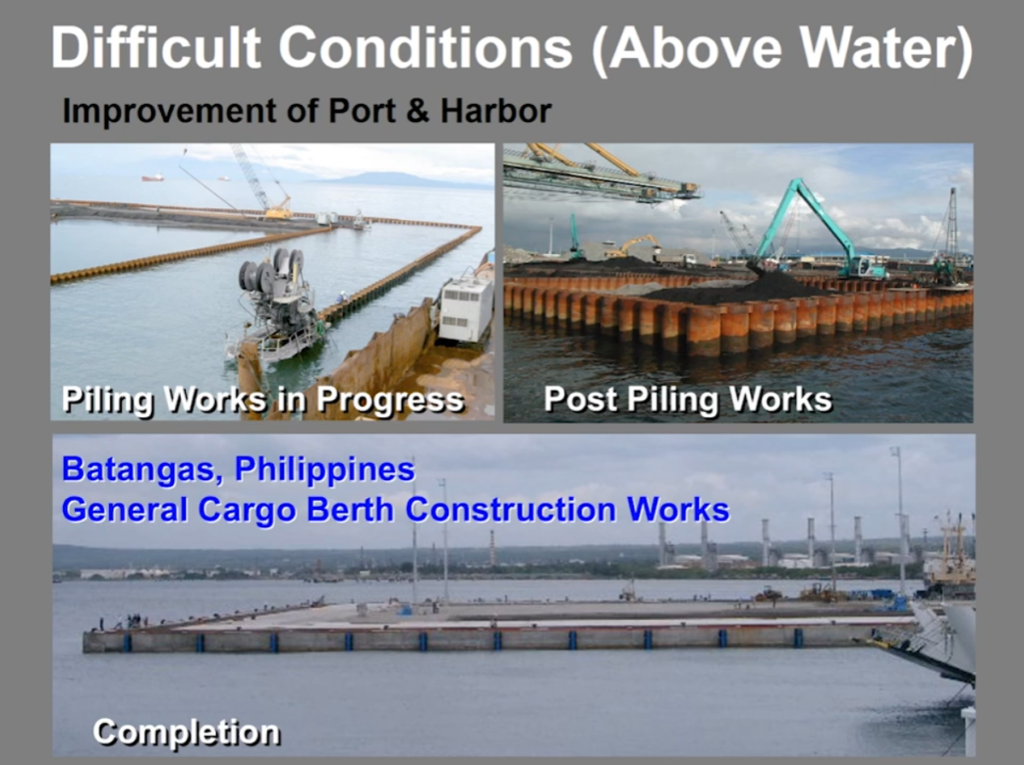
According to United Nations Industrial Development Organization (UNIDO), Tokyo reported about Silent Piler and its Piling Method. Giken manufactures a piling machine called Silent Piler™ and offers various construction technologies with the Press-in Method, worldwide. The Silent Piler™ characteristics, including but are not limited to, low noise, no vibration, and compactness, allow working in constrained areas, such as overwater, restricted headroom, and construction sites along with existing buildings.
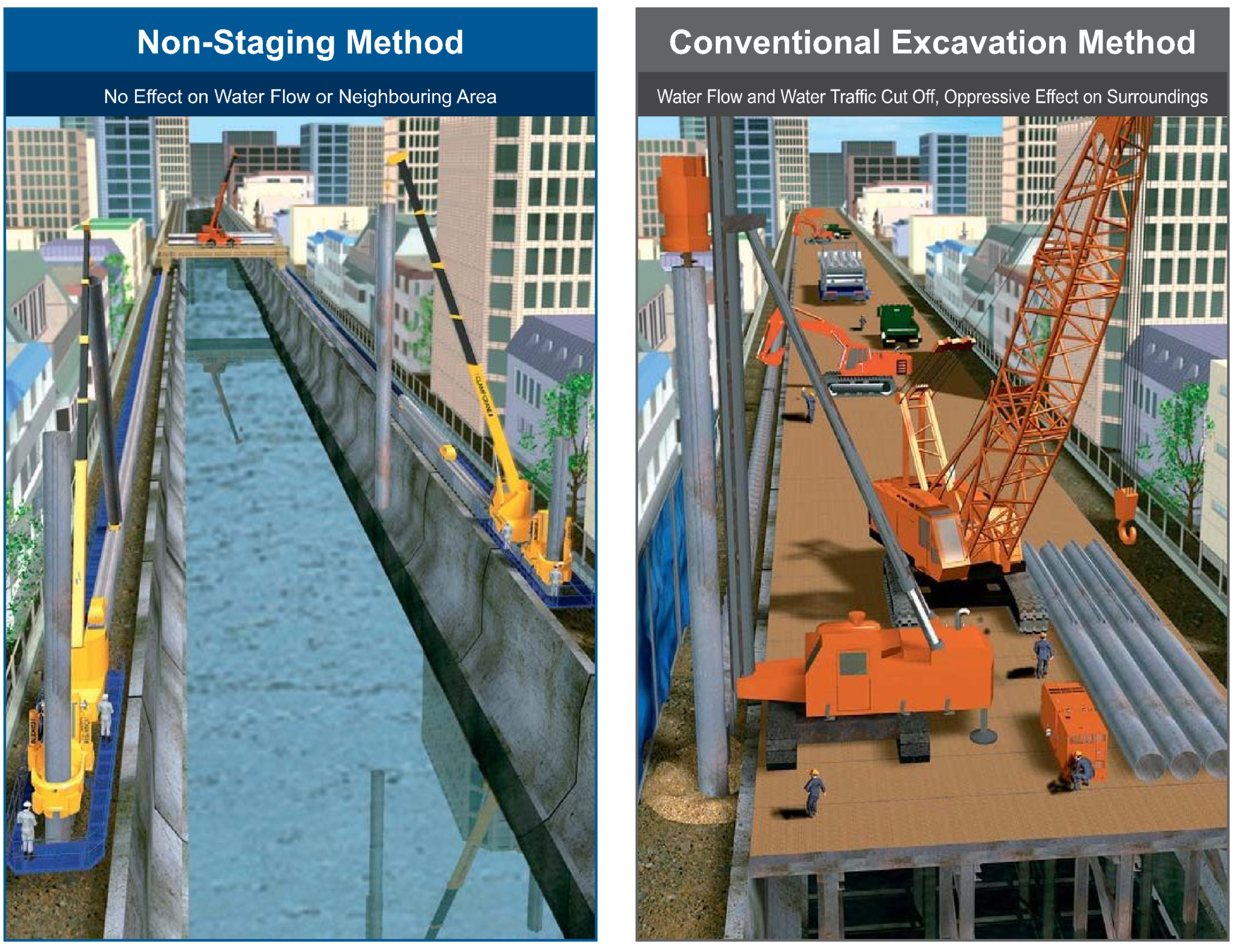
One of the representative Press-in Methods, the Non-Staging Method, provides benefit to the total construction work as it allows the installation of piles without a temporary stage, and hence reduces the construction cost and period.
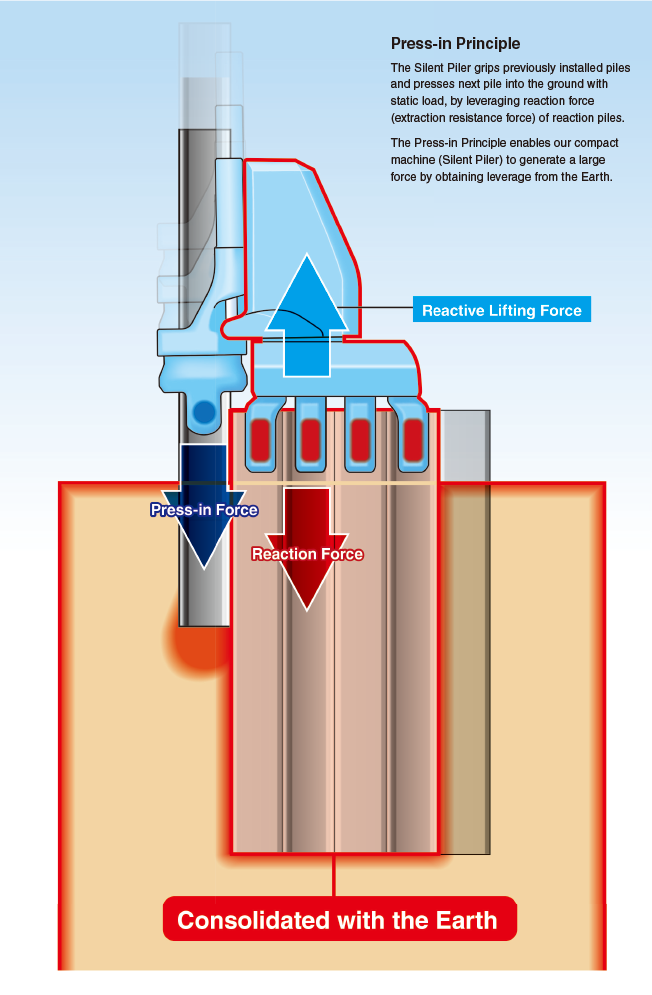
The Silent Piler grips the previously installed piles with the hydraulically operated Clamps. The next pile is then gripped by the Chuck at the press-in point and jacked into the ground with the static load generated by the hydraulic rams.
During the jacking, penetration resistance comprising of skin friction, toe resistance, and interlock resistance occur. It has the effect to convert a press-in force to a reactive lifting force but it is a greater force, provided by the extraction resistance of the reaction piles that resist this. Consequently, the down-stroke force acts on the pile to penetrate the ground.



【Disaster Risk Reduction and Restoration】
・Design and Construction of Resilient Implant Wall.
・Resilient River Revetment and Seawall.
・Disaster-prevention Levee against Earthquakes and Tsunamis.
・Disaster-prevention Berth by Pre-loaded Cantilevered Quay Wall.
・Seismic Isolation Technology against Liquefaction.
・Seismic Reinforcement on Road, Railways, and Bridges.
・Restraining Wall for Landslide Prevention.


We, Mayon Machinery are the Giken specialist in silent piling technology in the Philippines. Whenever you have piling projects, our knowledgeable team will help you choose the optimal sheet piling method.
For more details, please contact:
MAYON MACHINERY RENTRADE, INC – SALES & RENTAL
Tel: +63 (2) 8776 0254
Email: info@mayonmachinery.com/ sales@mayonmachinery.com
Clark International Airport (CIA) previously known as Diosdado Macapagal International Airport (DMIA), is located in the Mabalacat – Angeles area of Pampanga province in the Central Luzon region of the Philippines makes it the most suitable airport for travelers wanting to avoid Manila’s busy streets.
Mayon Machinery executed this project excellently by providing machines to support the clearing of the site for glass installation.
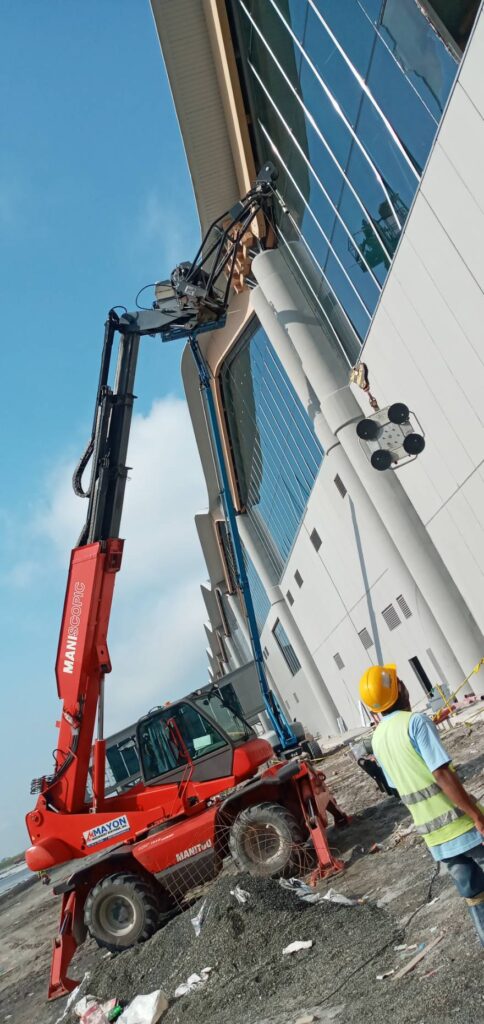
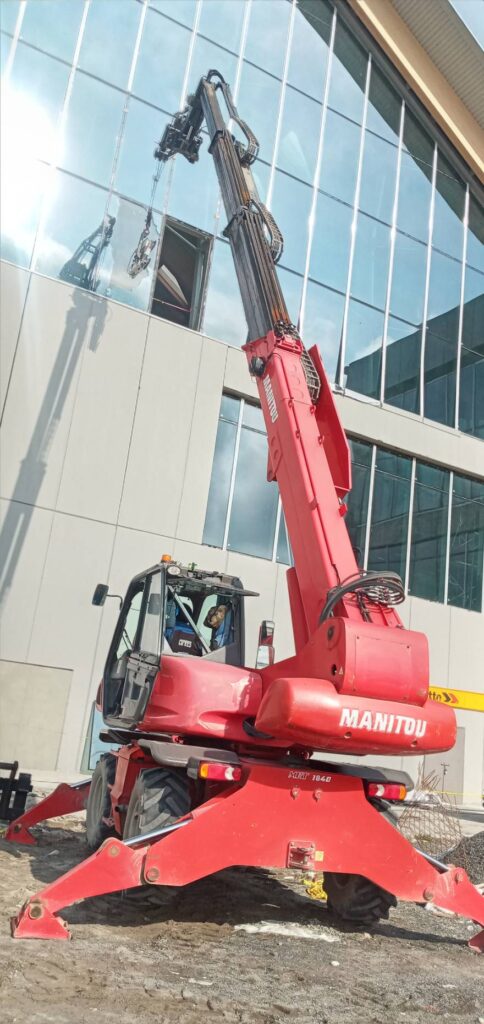
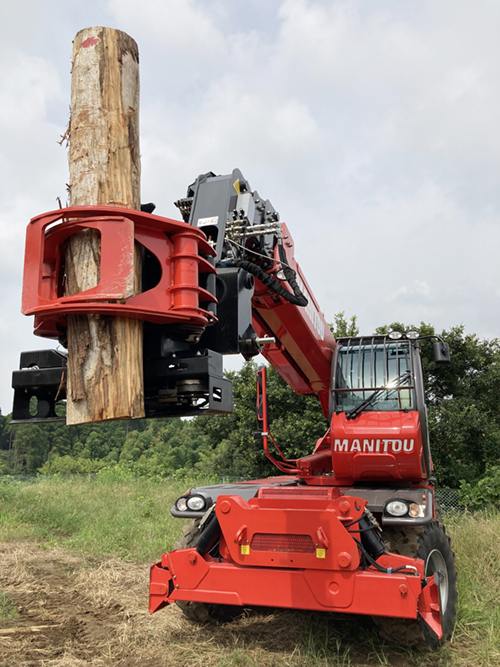
Glass installation requires the use of professional machines capable of lifting heavy loads with precision and safety. Manitou has developed a range of telescopic handlers and aerial work platforms that will be a valuable aid for all your work, whatever the conditions of accessibility and the height of the building. Our MRT rotating telehandlers are particularly versatile and can be used in the extendable platform, crane–hook jib, and tilting fork carriage equipped with forks. It allows you to place your sheets and secure them without having to move the position of your machine.
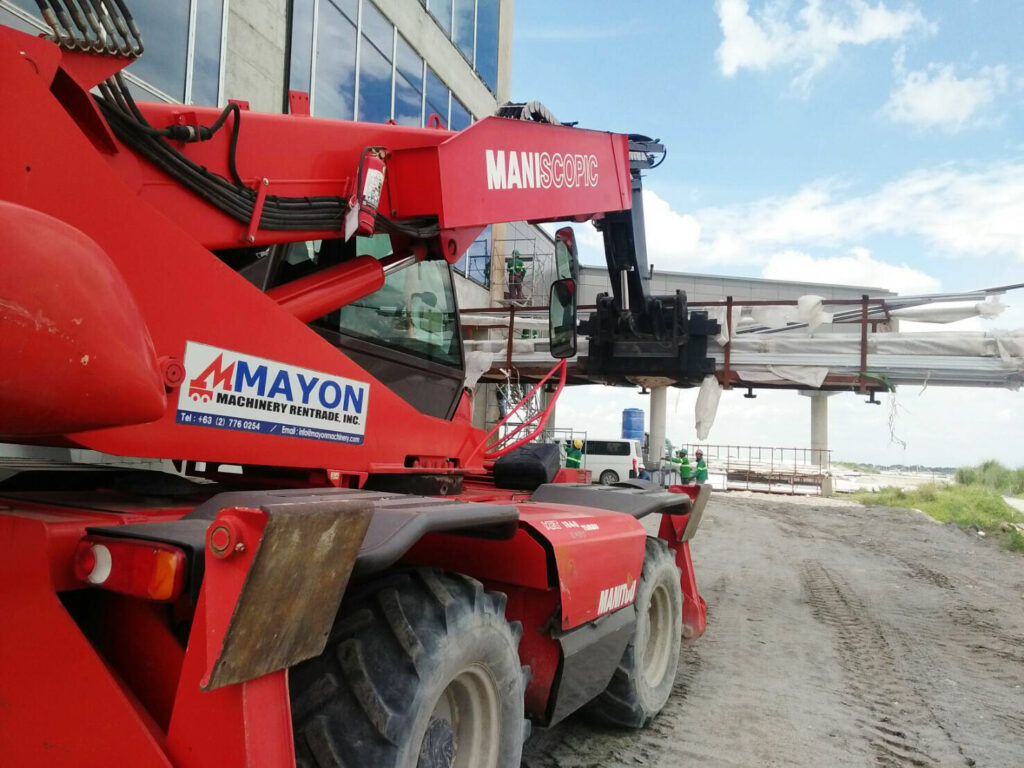
The Manitou MRT 1840 Easy 400° has a maximum capacity of 4000 kg, a maximum lifting height of 17.9 m, and a maximum forward reaches of 15.1 m. On stabilizers, it can lift 2700 kg to its maximum height and pick up 400 kg at maximum forward reach.
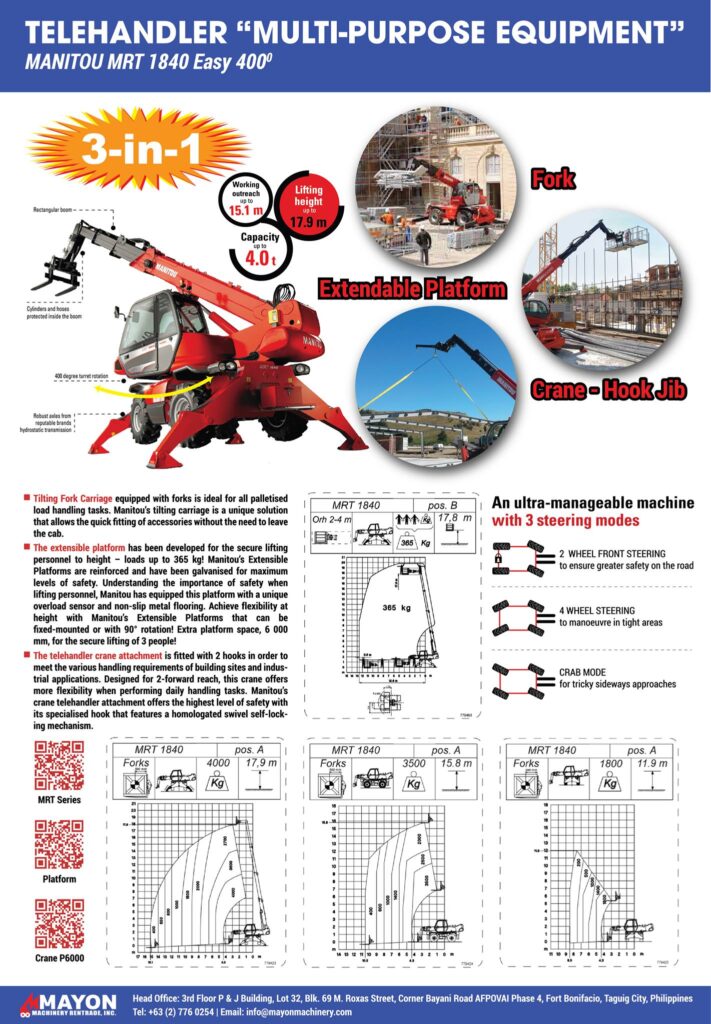
Manitou MRT 1840 includes these standard features: front and rear stabilizers with variable positions to accommodate job site obstacles, automatic stabilizer leveling, 400° continuous turret rotation, E-RECO attachment-recognition system, a control system that adjusts capacities and work zones based on stabilizer position, enclosed cab with air conditioning, a hydraulic speed control that lets the operator slow down the speed of operation for precise control, a Forward-Neutral-Reverse travel selector switch on the right-hand joystick, a 177.8 mm color display, work and road lights, sunscreens for the roof and windshield, and a single wireless remote control for boom and work-platform operation.
It also features turbocharged diesel engines that provide plenty of power and but still significantly reduce fuel consumption by automatically matching power output to the machine’s operational needs. The MRT 1840 Easy 400° has a 101 hp. Tier 4 Interim-compliant Perkins diesel engine. A two-speed hydrostatic transmission, four-wheel drive, and oscillating rear axles come standard on the model.
The spacious, ergonomic cab is equipped with two electro-hydraulic joysticks that control boom extension, turret swing, accessories, load lifting, and fork tilting. The two joysticks allow simultaneous control of all machine movements. The armrests, steering wheel, and seat are fully adjustable, and an optional seat on the Privilege Plus models reclines up to 13° for operator comfort when working at high boom angles.
All machine information is available on an alphanumeric LCD control display that monitors axle alignment, steering mode, load levels, working zone limits, stabilizer mode, and more. Speed memory lets an operator tailor the machine’s performance to specific applications by storing maximum movement speeds for boom lifting, boom extension, fork tilt, turret rotation, and auxiliary hydraulic functions.
Our solutions are well adapted to the various constraints experienced in your activities and meet the specific needs of the sector with unequaled performance on the market. Mayon Machinery is the best company for rental and sales of telescopic handlers you will ever need in the Philippines. We pride ourselves on our attentive and responsive customer service, and our partnerships mean everything to us.
For more details, please contact:
MAYON MACHINERY RENTRADE, INC – SALES & RENTAL
Tel: +63 (2) 8776 0254
Email: info@mayonmachinery.com/ sales@mayonmachinery.com