


Crawler cranes are powerful machines used in various heavy-lifting applications, but their operation comes with significant risks. Ensuring safety requires adherence to strict protocols, proper training, and regular maintenance. Below are essential safety tips for operating crawler cranes effectively and safely.
TABLE OF CONTENTS
- Understanding Crawler Cranes
- Pre-Startup Safety Measures
- 1. Operator Qualifications
- 2. Pre-Operational Inspection
- 3. Worksite Safety
- Safe Operating Procedures
- 1. Communication
- 2. Load Management
- 3. Movement Control
- 4. Visibility
- Shutdown and Maintenance
- 1. Parking
- 2. Engine Shutdown
- 3. Maintenance
- General Safety Practices
- 1. Training
- 2. Signage
- 3. Housekeeping
- 4. Visitor Safety
Understanding Crawler Cranes
A crawler crane consists of an upper carriage mounted on a crawler-type undercarriage, allowing 360º rotation. It features a boom (box or lattice type) and may include an optional jib. These cranes are versatile, but expose operators and nearby personnel to hazards like falling objects, crushing, and explosions.
Pre-Startup Safety Measures
1. Operator Qualifications
The operation of cranes, particularly heavy equipment like crawler cranes, demands a high level of skill and expertise to ensure safety and efficiency. Only trained and certified personnel should undertake this responsibility, given the potential risks involved. An operator must be both physically and mentally fit, possessing good vision and quick reflexes to respond swiftly to any unexpected situations. The Heavy-Equipment Operation (Crawler Crane) NC II qualification from the Technical Education and Skills Development Authority (TESDA) serves as a testament to an individual’s proficiency and competence in operating such machinery. This certification ensures that the operator has undergone rigorous training, mastering the necessary techniques and safety protocols to perform tasks effectively while minimizing the risk of accidents.
2. Pre-Operational Inspection
Conduct a daily walk-around inspection. Check for structural damage, hydraulic leaks, and ensure all safety devices are functional.
3. Worksite Safety
Verify the area is clear of obstructions and personnel. Ensure proper ventilation if operating indoors.
Safe Operating Procedures
1. Communication
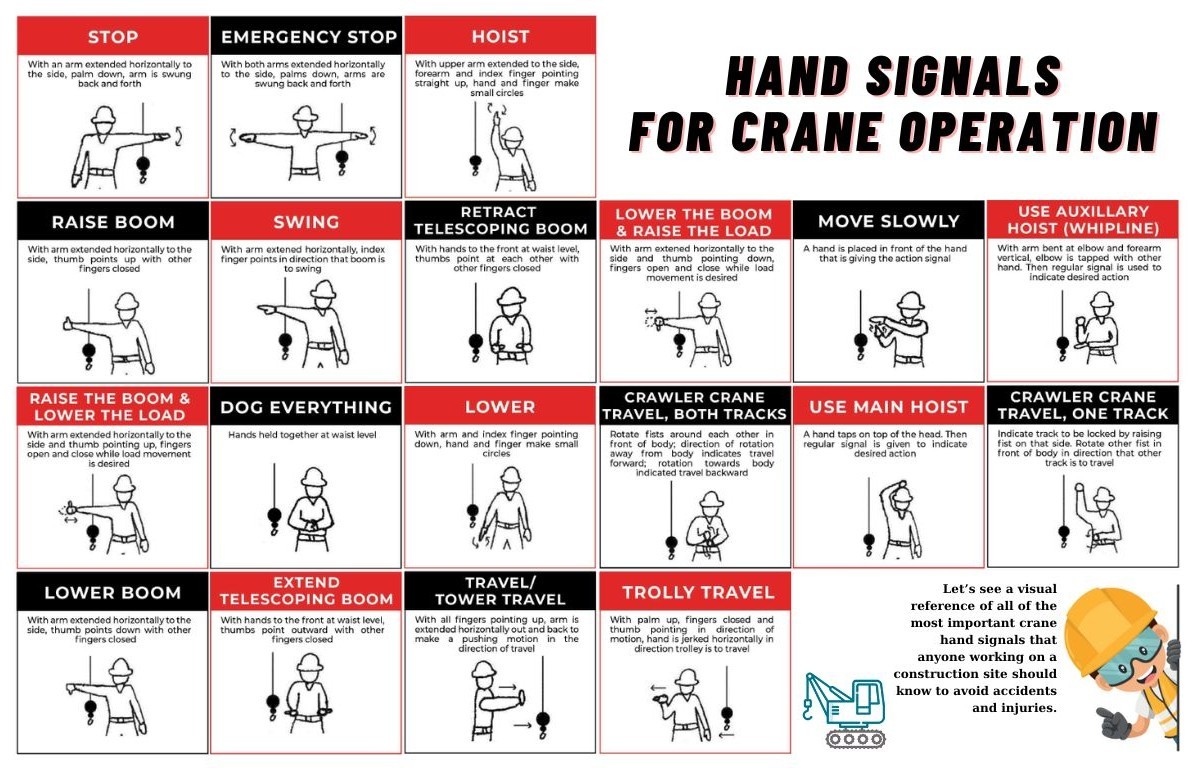
Standardized communication methods, such as hand signals or radios, should be employed to ensure a clear understanding of the operator’s instructions during the lift.
2. Load Management
Know the weight, dimensions, and center of gravity of the load. Ensure slings and ropes are in good condition.
3. Movement Control
Operate joysticks progressively under load and allow ample stopping time. Be mindful of wind forces.
4. Visibility
Keep windows and mirrors clean for optimal visibility. Avoid storing tools or clutter in the cab.
Shutdown and Maintenance
1. Parking
Lower the load to the ground and park on firm, level terrain. Never leave a load suspended.
2. Engine Shutdown
Idle the engine for three minutes before turning it off. Secure all doors and covers.
3. Maintenance
Follow the manufacturer’s maintenance schedule. Use lock-out/tag-out procedures and wear PPE during repairs.
General Safety Practices
1. Training
Lower the load to the ground and park on firm, level terrain. Never leave a load suspended.
2. Signage
Ensure safety signs are visible and legible. Replace damaged signs immediately.
3. Housekeeping
Keep walkways clear of trip hazards and maintain a tidy worksite.
4. Visitor Safety
Inform visitors and vendors to stay clear of operational areas.
By following these guidelines, operators can minimize risks and ensure a safe working environment for everyone involved. Always refer to the manufacturer’s manual for specific instructions and updates or contact us today to make sure operating crawler cranes safety.